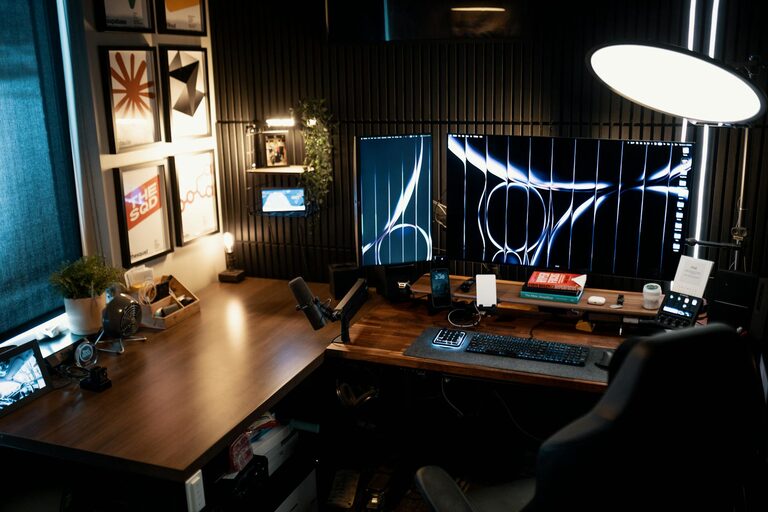
Creating a home workspace that feels relaxing and inviting can significantly improve your productivity and overall well-being. As more people work remotely or spend extended hours at home, having a dedicated area that supports focus while offering comfort is essential. In this post, we’ll explore practical tips to help you craft a workspace where you can work efficiently without sacrificing relaxation.
Why a Relaxing Workspace Matters
A calming environment reduces stress and mental fatigue, which helps you stay motivated and productive. When your workspace is cluttered, uncomfortable, or uninspiring, you may find it hard to stay focused or even look forward to working. On the other hand, a well-designed space can boost creativity, promote better posture, and maintain a positive mindset throughout the day.
Choose the Right Location
Consider Natural Light
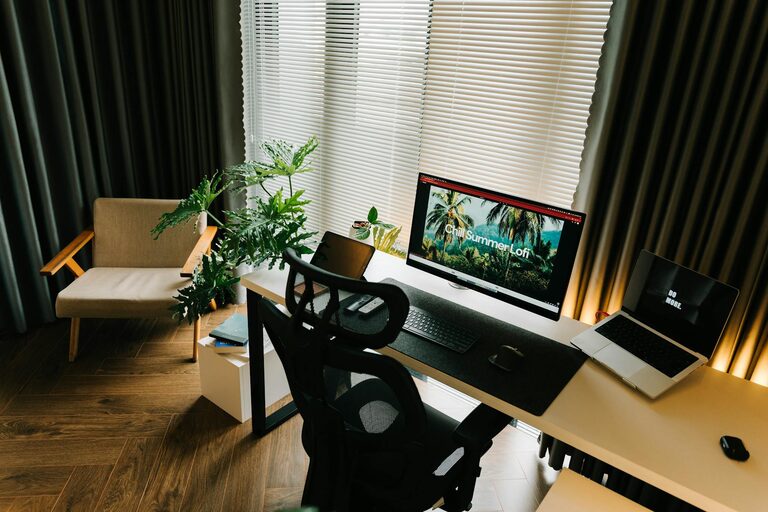
Pick a spot that receives plenty of natural light. Sunlight can lift your mood and reduce eye strain. Place your desk near a window if possible. If natural light isn’t an option, invest in good quality lighting that mimics daylight.
Minimize Noise and Distractions
Select a quiet area away from high-traffic zones to help maintain concentration. Use noise-canceling headphones or white noise machines if perfect silence isn’t available.
Invest in Comfortable Furniture
Ergonomic Chair and Desk
Choose an ergonomic chair that supports your back and encourages good posture. Your desk should allow you to keep your arms at a 90-degree angle when typing and your feet flat on the floor.
Adjustable Furniture
Sit-stand desks offer flexibility and comfort, allowing you to alternate between sitting and standing throughout the day, which can reduce fatigue and improve circulation.
Organize and Personalize Your Space
Declutter Regularly
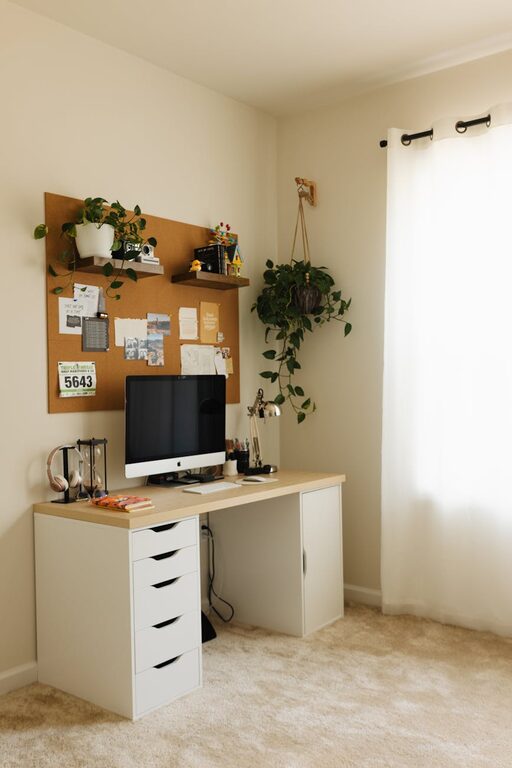
Keep your workspace tidy by organizing papers, cables, and supplies. Use storage solutions such as baskets, shelves, or drawer organizers to reduce mess.
Add Personal Touches
Include items that make you feel relaxed and happy, like plants, photos, or artwork. Avoid overcrowding your space, but a few meaningful pieces can increase comfort.
Incorporate Calming Elements
Use Soothing Colors
Colors like soft blues, greens, or neutral tones can create a peaceful atmosphere. Avoid overly bright or harsh colors that might increase anxiety.
Bring in Nature
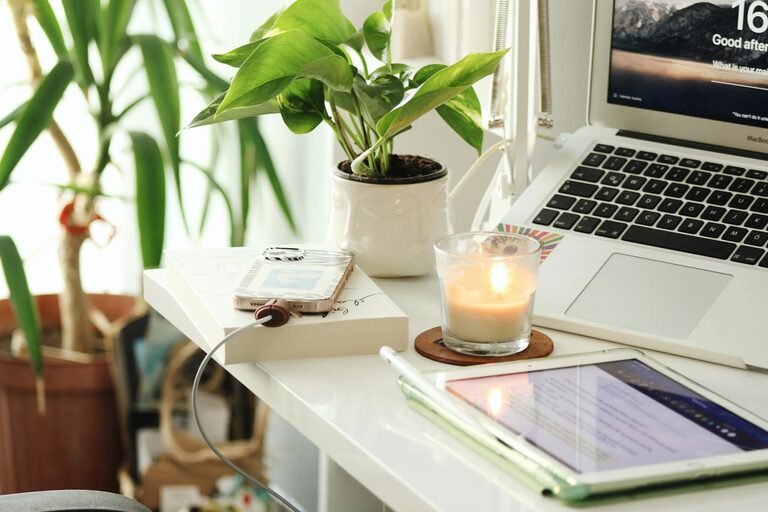
Indoor plants can improve air quality and provide a sense of calm. Even a small succulent or a vase of fresh flowers can make a difference.
Include Aromatherapy
Consider using essential oils, candles, or diffusers with calming scents such as lavender or eucalyptus to help reduce stress.
Manage Technology Wisely
Keep Your Tech Organized
Use cable management solutions to prevent cords from tangling. Ensure your devices are positioned ergonomically to avoid neck or eye strain.
Minimize Distractions
Turn off unnecessary notifications and only keep the tech you need within reach. Consider apps or browser extensions that block distracting websites during work hours.
Establish a Routine to Enhance Comfort
Take Regular Breaks
Incorporate short breaks to stand, stretch, or take a few deep breaths. This keeps your mind fresh and reduces physical tension.
Create a Transition Ritual
Design a routine that signals the start and end of your workday, like lighting a candle or making a cup of tea. This habit helps your brain switch between work mode and relaxation mode.
Maintain Good Air Quality and Temperature
Good ventilation improves focus and energy. If possible, open windows periodically or use an air purifier. Keep your workspace at a comfortable temperature—too hot or too cold environments can hinder productivity.
Final Thoughts
Designing a relaxing home workspace isn’t just about aesthetics—it’s about creating an environment that supports your daily tasks while promoting comfort and well-being. By selecting the right location, investing in ergonomic furniture, organizing effectively, and adding calming elements, you can turn your workspace into a place where productivity and relaxation coexist harmoniously. Try implementing these tips to make your home office a space where you truly enjoy spending time.