
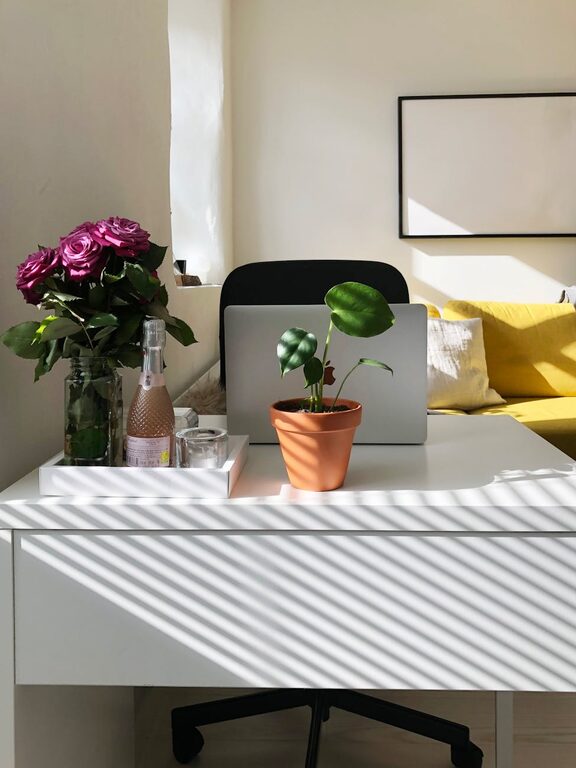
Creating a home workspace that feels both relaxing and productive is essential for anyone working remotely or managing tasks at home. A well-designed workspace can help you stay focused, reduce stress, and improve your overall work experience. In this post, we’ll explore practical tips to set up a home office that balances comfort and productivity, making your workdays smoother and more enjoyable.
Why a Relaxing Workspace Matters
A workspace affects not just how much you get done but also how you feel while working. When your environment is comfortable and calming, it can reduce distractions and mental fatigue. This encourages better concentration and motivation, allowing you to work more efficiently.
Choose the Right Spot
Consider Natural Light
Where you place your workspace plays a big role in your mood and energy levels. Choose a spot with plenty of natural light if possible. Sunlight helps regulate your body clock and can boost your mood, making it easier to stay alert.
Minimize Noise and Distractions
Select a quiet corner or room where noise won’t interrupt your flow. If you live in a busy household, consider noise-canceling headphones or a white noise machine to help maintain focus.
Invest in Comfortable Furniture
Ergonomic Chair and Desk
Your chair and desk should support good posture to avoid discomfort and health issues. Look for an ergonomic chair that supports your lower back and a desk at the right height to keep your arms at a 90-degree angle when typing.
Adjustable Options
If possible, use adjustable furniture that allows you to switch between sitting and standing. Changing positions throughout the day helps prevent stiffness and improves circulation.
Organize Your Workspace
Declutter Regularly
A tidy workspace can reduce stress and distractions. Clear your desk of unnecessary items, and use storage solutions like shelves, drawers, or boxes to keep everything neat.
Arrange Essentials Within Reach
Keep frequently used items like your computer, notebook, or phone within easy reach to maintain flow and avoid unnecessary interruptions.
Personalize to Encourage Relaxation
Add Greenery
Plants not only beautify your space but can also improve air quality and increase feelings of calm. Choose easy-care plants like succulents or pothos.
Use Calming Colors
Soft, neutral tones such as light blues, greens, or earth tones create a soothing atmosphere. Avoid overly bright or harsh colors that may be distracting.
Incorporate Personal Touches
Photos, artwork, or meaningful objects can boost motivation and make your workspace feel inviting without causing clutter.
Optimize Lighting
Layered Lighting
Combine natural light with task lighting to reduce eye strain. Use desk lamps or adjustable lights focused on your work area, and keep overhead lighting soft and diffused.
Avoid Screen Glare
Position your monitor away from windows or strong light sources to minimize reflections. An anti-glare screen protector can also help.
Keep Technology Efficient and Comfortable
Upgrade Equipment
Reliable technology reduces frustration. Invest in a fast internet connection, quality headphones, and accessories like a wireless keyboard or mouse that improve comfort.
Cable Management
Organize cables with clips, ties, or sleeves to keep your desk clean and avoid tripping hazards.
Add Comfort Features
Temperature Control
Ensure your workspace is well-ventilated and maintain a comfortable temperature. A fan, heater, or air purifier may help depending on your environment.
Use Supportive Accessories
Add footrests, wrist pads, or cushions to enhance comfort during long work sessions.
Establish Clear Boundaries
Define Work and Rest Areas
Separating your workspace from relaxation zones helps your mind switch between work and downtime. Even in small spaces, subtle visual or physical dividers can create this separation.
Set Work Hours
Having a routine improves productivity and helps prevent burnout. Define working hours and take regular breaks to refresh your mind and body.
Incorporate Movement and Breaks
Stretch and Move Regularly
Set reminders to stretch or take short walks during the day. Physical activity boosts circulation and reduces tension.
Create a Relaxation Corner
If space allows, add a comfortable chair or cushion where you can briefly step away from work for a mental reset.
—
Creating a relaxing home workspace is about balancing functionality and comfort. By thoughtfully choosing your space, investing in ergonomic furniture, organizing effectively, and adding personal touches, you can design an environment that supports both productivity and well-being. With a few adjustments, your home workspace can become a place you enjoy spending time in every day.