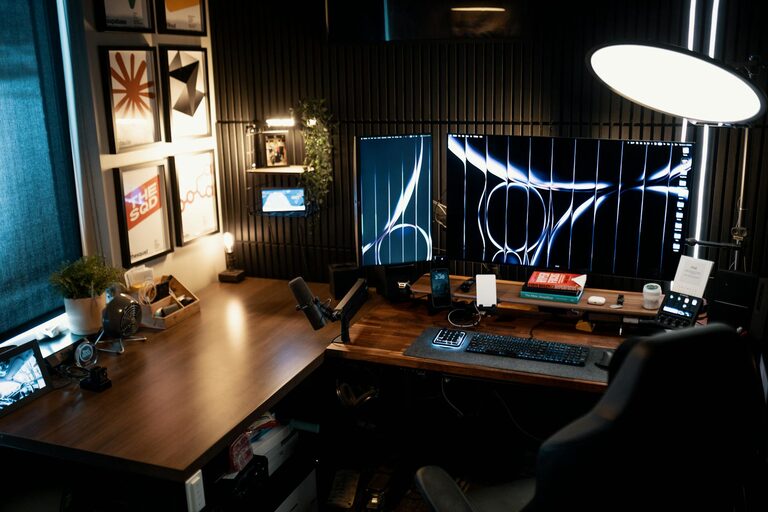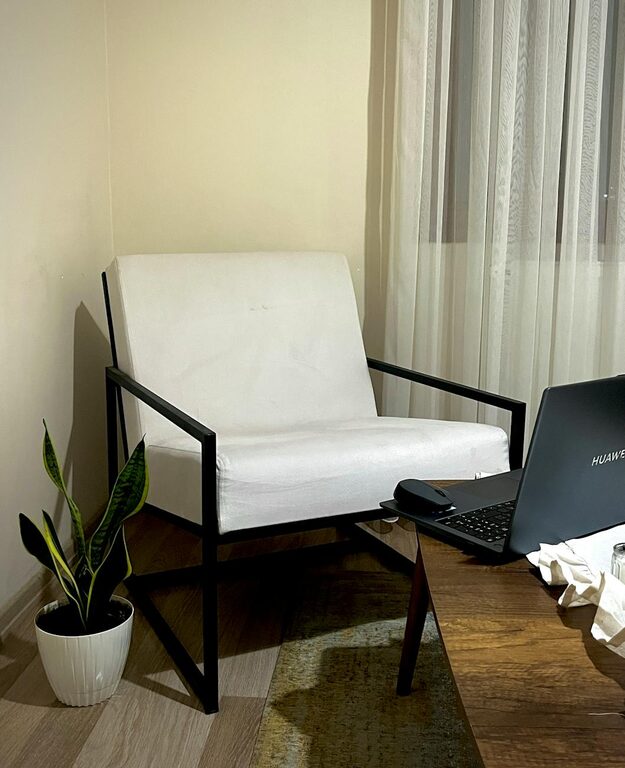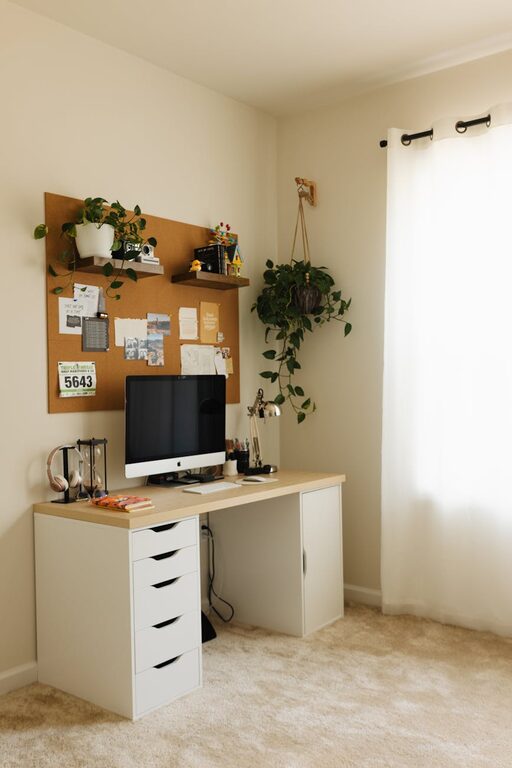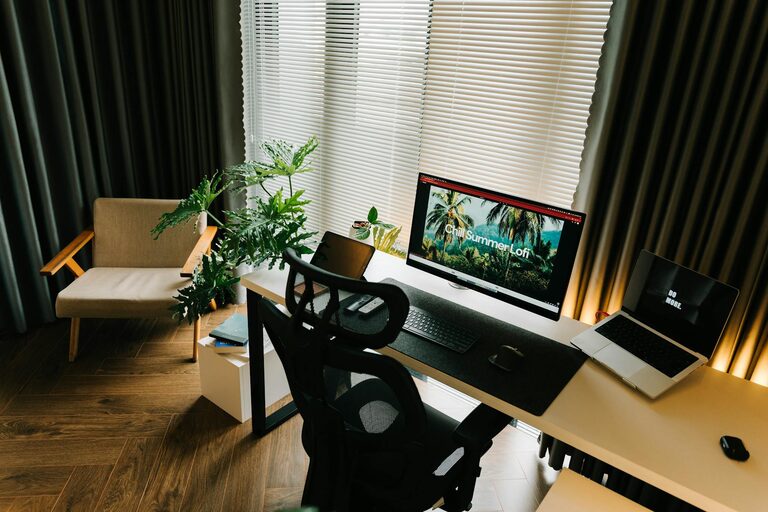
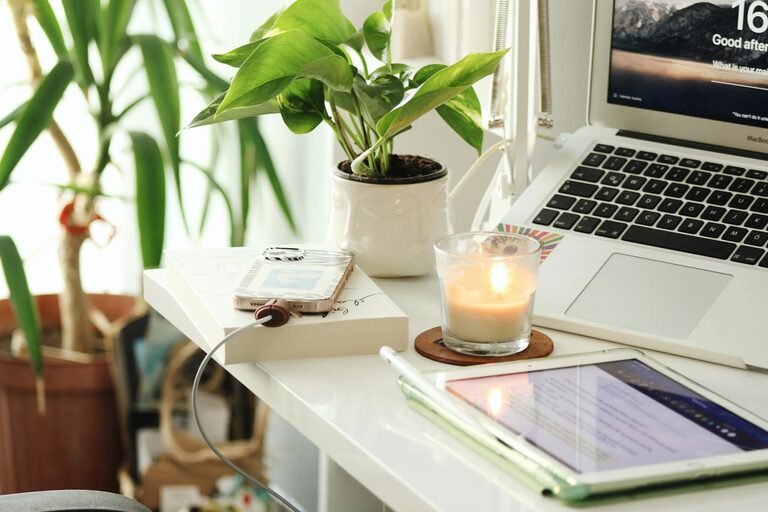
Working from home has become a common practice for many, making the home office a vital space for productivity and focus. Organizing your home office thoughtfully can improve your workflow, reduce stress, and make work hours more enjoyable. Whether you have a dedicated room or a small corner, these tips will help you create a productive home office space.
Choose the Right Location
The first step in organizing a productive home office is selecting the best spot. Consider areas with:
– Natural light: Positioning your desk near a window boosts mood and energy.
– Minimal distractions: Choose a quiet corner away from busy household areas.
– Adequate space: Ensure enough room for your desk, chair, and equipment.
If space is tight, consider multi-purpose furniture or creative setups like foldable desks.
Invest in Comfortable and Functional Furniture
Comfort is essential when you spend hours working at your desk. Key furniture pieces to focus on include:
– Ergonomic chair: Support your back and promote good posture.
– Desk with enough surface area: Accommodate your computer, keyboard, and workspace essentials.
– Storage solutions: Shelves, drawers, or filing cabinets keep your space neat.
Adjustable desks that allow sitting and standing are great for changing positions throughout the day.
Keep Your Workspace Clutter-Free
A cluttered workspace can reduce focus and increase stress. Adopt these habits:
– Daily tidying: Spend a few minutes clearing your desk at the end of each day.
– Limit items on your desk: Keep only essential tools close at hand.
– Use organizers: Desk trays, pen holders, and cable management systems help maintain order.
If you have documents, consider digital storage to reduce paper clutter.
Optimize Lighting
Good lighting is crucial to reduce eye strain and maintain alertness.
– Combine ambient and task lighting: Use overhead lights and a desk lamp.
– Adjust to your needs: Choose bulbs with a color temperature that suits your work. Natural daylight bulbs can help simulate outdoor light.
– Position lights to avoid glare: Arrange lamps and screens to minimize reflections.
Personalize Your Workspace
Adding personal touches can make your office inviting and motivating without causing distraction.
– Incorporate plants: Small indoor plants improve air quality and add freshness.
– Display inspiring artwork or quotes: Visual motivation can boost your mood.
– Use colors wisely: Choose calming tones but feel free to include accent colors that energize you.
Manage Technology Efficiently
Technology is the backbone of many home offices, so organize it effectively:
– Keep cables tidy: Use clips or sleeves to prevent tangled wires.
– Have a charging station: Centralize chargers to keep devices powered and in one spot.
– Upgrade when necessary: Reliable equipment can reduce frustration and downtime.
Establish Boundaries and Minimize Distractions
Creating clear boundaries helps maintain work focus.
– Set specific work hours: Communicate your schedule with household members.
– Use noise-canceling headphones: These help block background noise.
– Limit non-work notifications: Turn off personal alerts during work periods.
Organize Your Workflow Tools
An efficient office includes organization of your work materials:
– Use planners or digital calendars to keep track of tasks and deadlines.
– Label files and folders for quick access.
– Have a whiteboard or bulletin board for brainstorming and reminders.
Maintain Your Space Regularly
Keeping your office organized is an ongoing process:
– Review and discard unused items monthly.
– Clean electronics and surfaces weekly.
– Adjust your setup as your needs change.
Final Thoughts
A productive home office combines comfort, organization, and personal motivation. By thoughtfully designing your workspace, you can create an environment that supports your best work every day. Try incorporating these tips gradually and adjust them to fit your unique needs.
Happy organizing!