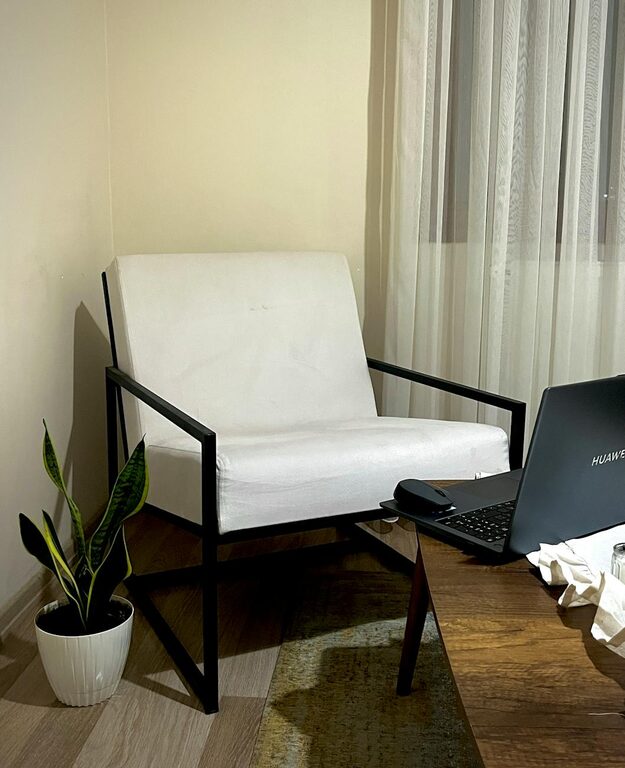
Creating a home office that feels both cozy and functional can significantly improve your work-from-home experience. Whether you’re setting up a new space or enhancing an existing one, the right environment helps boost productivity while making your work hours more enjoyable. Here are some helpful tips for designing a home office that balances comfort with practicality.
Choose the Right Location
Selecting the best spot in your home for your office is the first step. Ideally, look for a quiet area that receives natural light and is away from high-traffic zones. This will help minimize distractions and reduce eye strain.
– Consider a spare room if available, as it separates work from leisure.
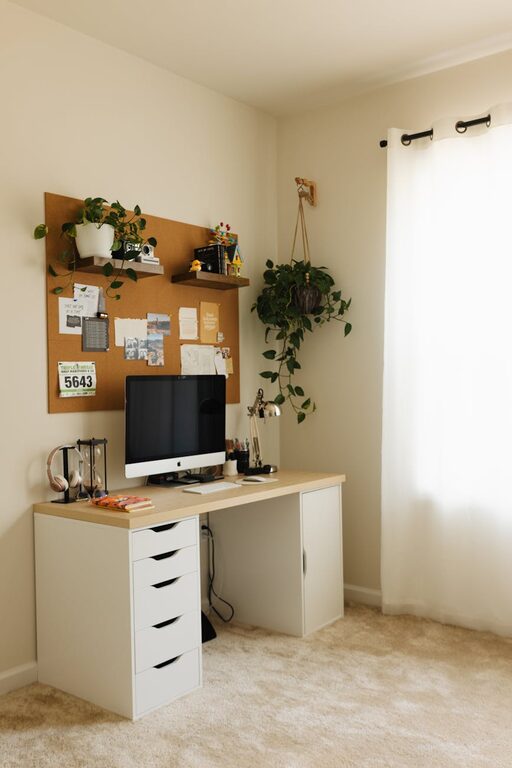
– Use a corner or nook in your living area if space is limited, adding partitions or shelves to define the area.
– Face your desk toward a window for natural light, or position it to avoid glare on your screen.
Invest in Comfortable Furniture
Comfort is key in a space where you’ll spend long hours. Ergonomic furniture supports your posture and boosts focus.
– Ergonomic chair: Look for adjustable height, lumbar support, and comfortable cushioning.
– Proper desk height: Your desk should allow your elbows to rest comfortably at a 90-degree angle while typing.
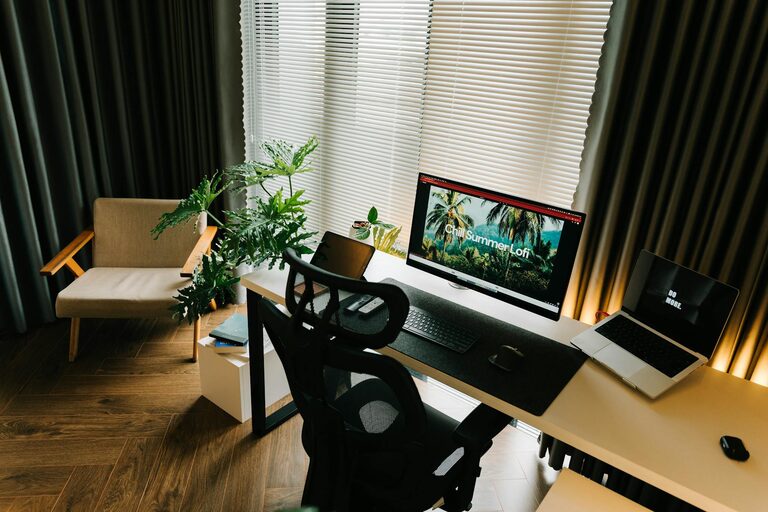
– Additional seating: A cozy armchair or small sofa offers a change of position for reading or brainstorming.
Optimize Lighting
Good lighting helps reduce eye fatigue and creates a welcoming atmosphere.
– Natural light: Maximize window use but use blinds or curtains to control glare.
– Task lighting: Adjustable desk lamps provide focused light for specific tasks.
– Ambient lighting: Consider floor lamps or overhead lights with warm tones to enhance coziness.
Organize with Storage Solutions
Clutter can quickly diminish productivity and comfort. Implement storage solutions that keep your space tidy and efficient.
– Shelving units: Open or closed shelves keep books, files, and supplies within reach.
– Drawer organizers: Use these to separate small items like pens, paper clips, and sticky notes.
– Cable management: Use clips or sleeves to organize power cords and chargers neatly.
Personalize Your Space
Adding personal touches makes your office feel inviting and encourages creativity.
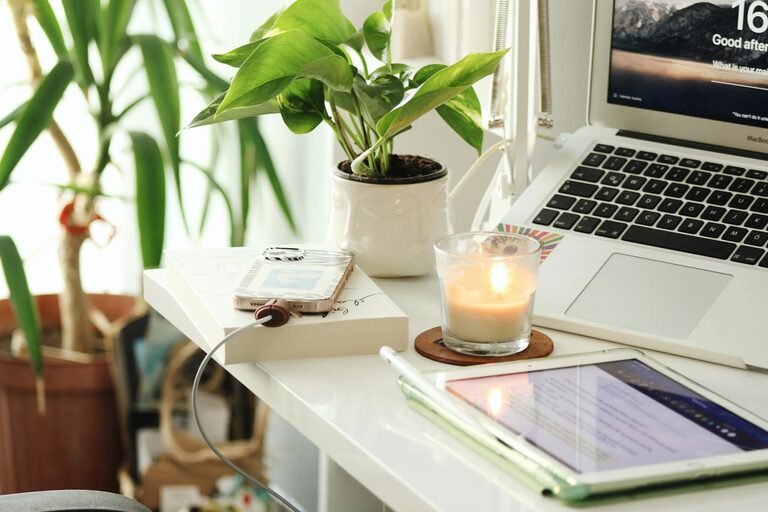
– Decor: Add plants, artwork, or inspirational quotes to brighten the space.
– Colors: Choose calming shades such as blues, greens, or neutrals to create a soothing environment.
– Accessories: Use stylish organizers, colorful stationery, or a cozy rug for added warmth.
Maintain a Healthy Work Routine
A comfortable office is only part of the equation. Establish habits that keep you feeling good throughout the day.
– Take regular breaks: Stand, stretch, or walk every hour to avoid stiffness.
– Keep water handy: Staying hydrated supports focus and energy.
– Set boundaries: Communicate your work hours with household members to minimize interruptions.
Utilize Technology Wisely
Tech tools can improve efficiency when integrated thoughtfully.
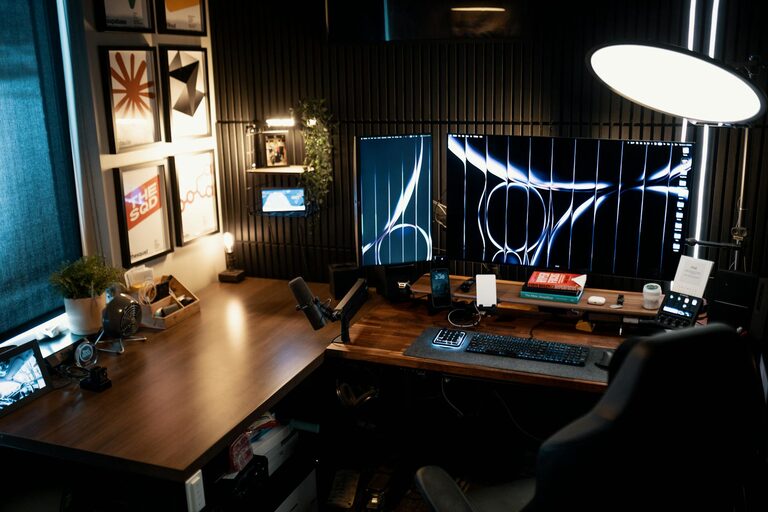
– Dual monitors: Great for multitasking and reducing screen-switching.
– Noise-canceling headphones: Help block distractions in noisy environments.
– Smart assistants: Devices that help keep track of schedules or set reminders.
Keep It Flexible
Your needs may change over time, so consider a space that can adapt.
– Modular furniture: Desks and shelves that can be rearranged easily.
– Multi-use areas: Create corners that double as relaxation or reading spots.
– Portable elements: Use rolling carts or file cabinets for easy relocation.
—
Designing a cozy and functional home office doesn’t require a large budget or extensive renovations. By focusing on comfort, organization, good lighting, and personalization, you can create a workspace that supports your productivity and well-being. Remember that maintaining a tidy space and balance between work and rest will help you get the most out of your home office every day.